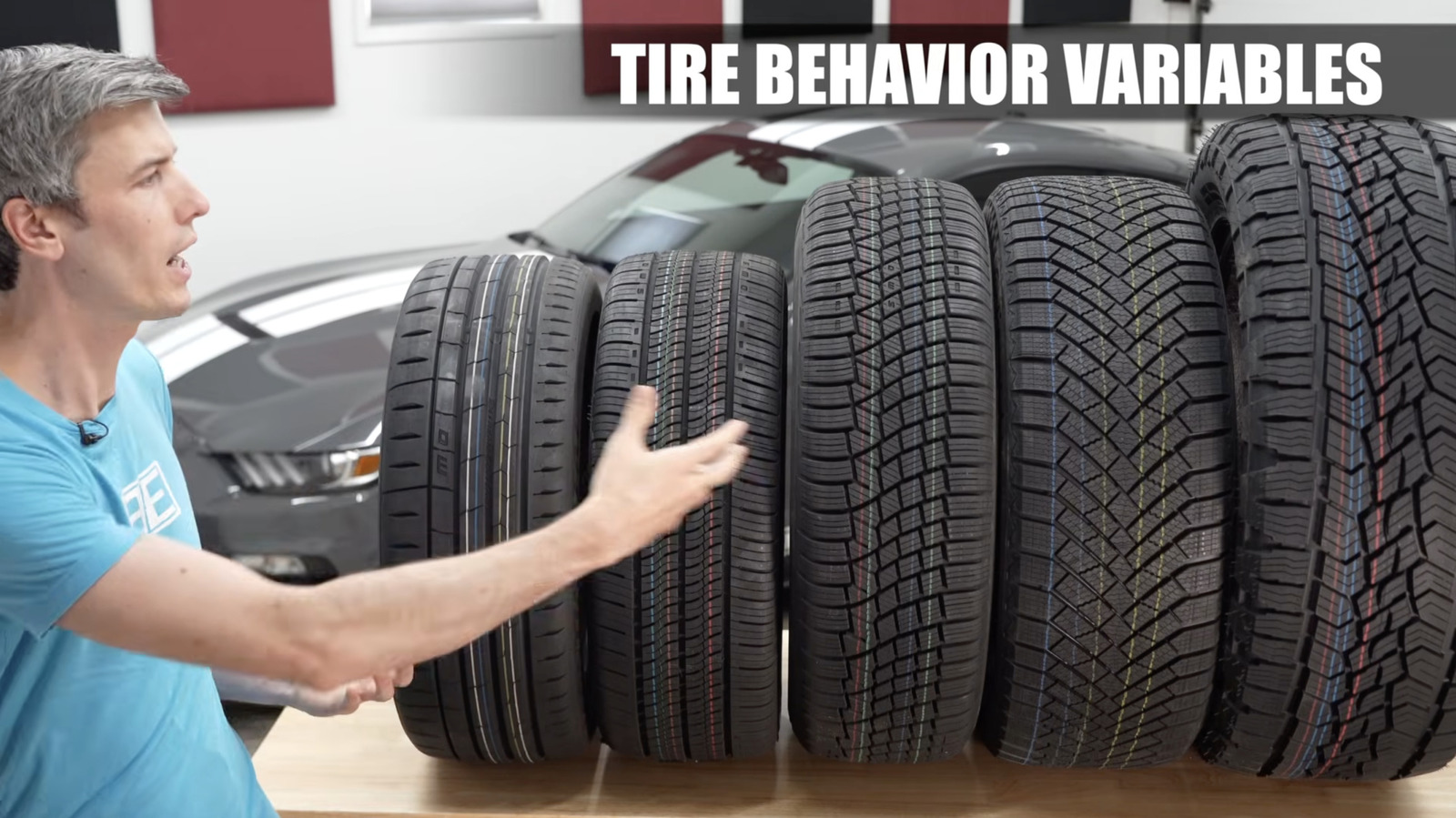
Tyre choice is often reduced to brand preference or price, but the engineering case is more nuanced. In an explainer highlighted by Jalopnik, Jason Fenske of Engineering Explained examines the relationship between tread patterns, tyre compounds and the physics that governs their behaviour.
The central message is that a tyre should be selected for its intended role rather than treated as a universal replacement part. Tread design and rubber formulation are separate but connected elements, and both shape how a tyre responds in real driving conditions.
That approach is especially relevant to buyers comparing standard-fit tyres with aftermarket alternatives. Enthusiasts may prioritise a particular driving feel, while EV owners and fleet operators may be assessing tyres through the broader lens of everyday operating needs and vehicle use.
Fenske’s walkthrough offers a useful framework for evaluating tyre specifications without relying on marketing claims alone: understand what the tread and compound are designed to do, then weigh that against the demands placed on the car.