Europe keeps electric vehicles in the mainstream as US policy shifts
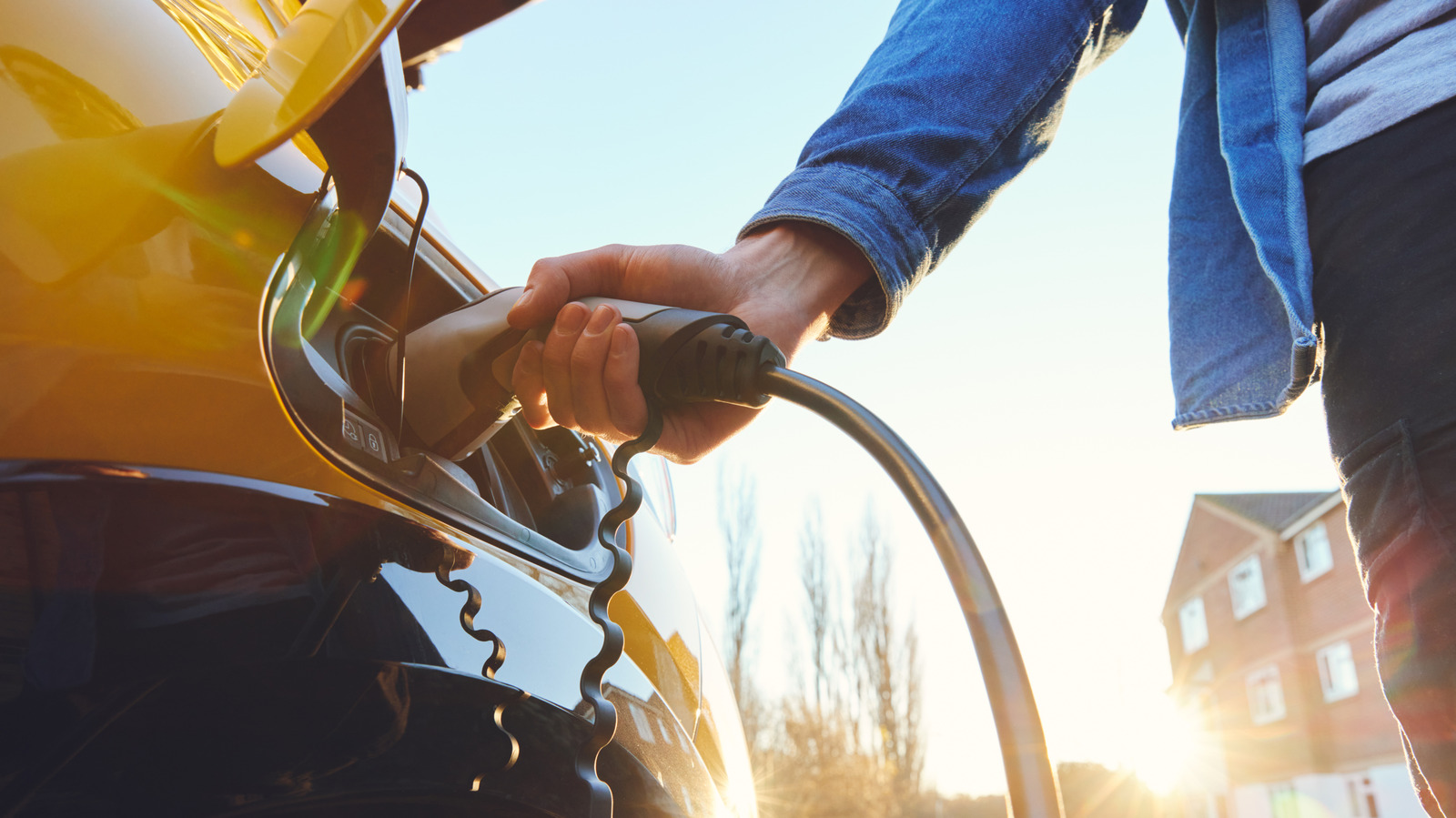
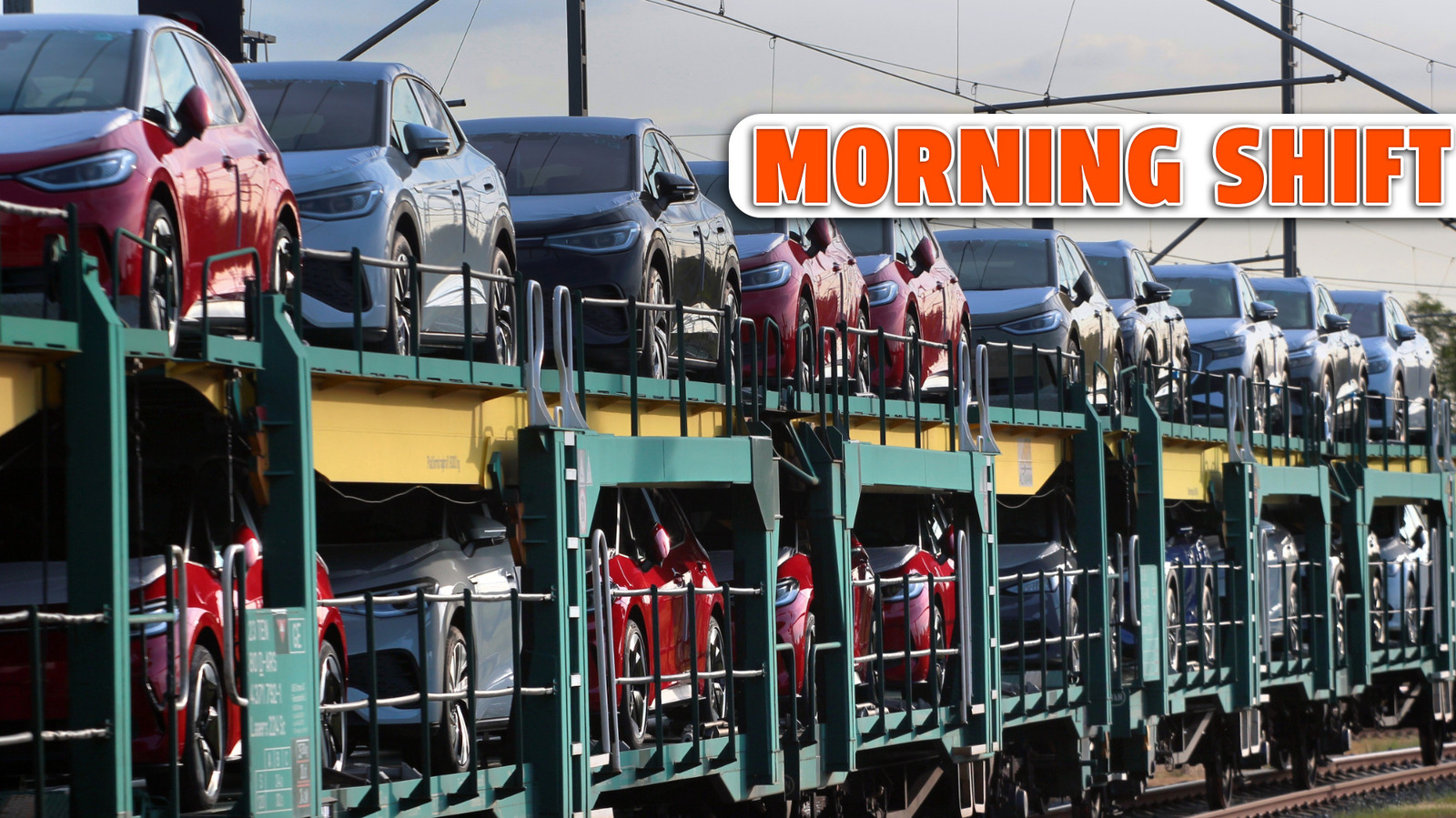
Electric vehicles retain strong appeal across Europe, contrasting with a US market where policy changes and tariffs are raising the barriers to ownership for many drivers.
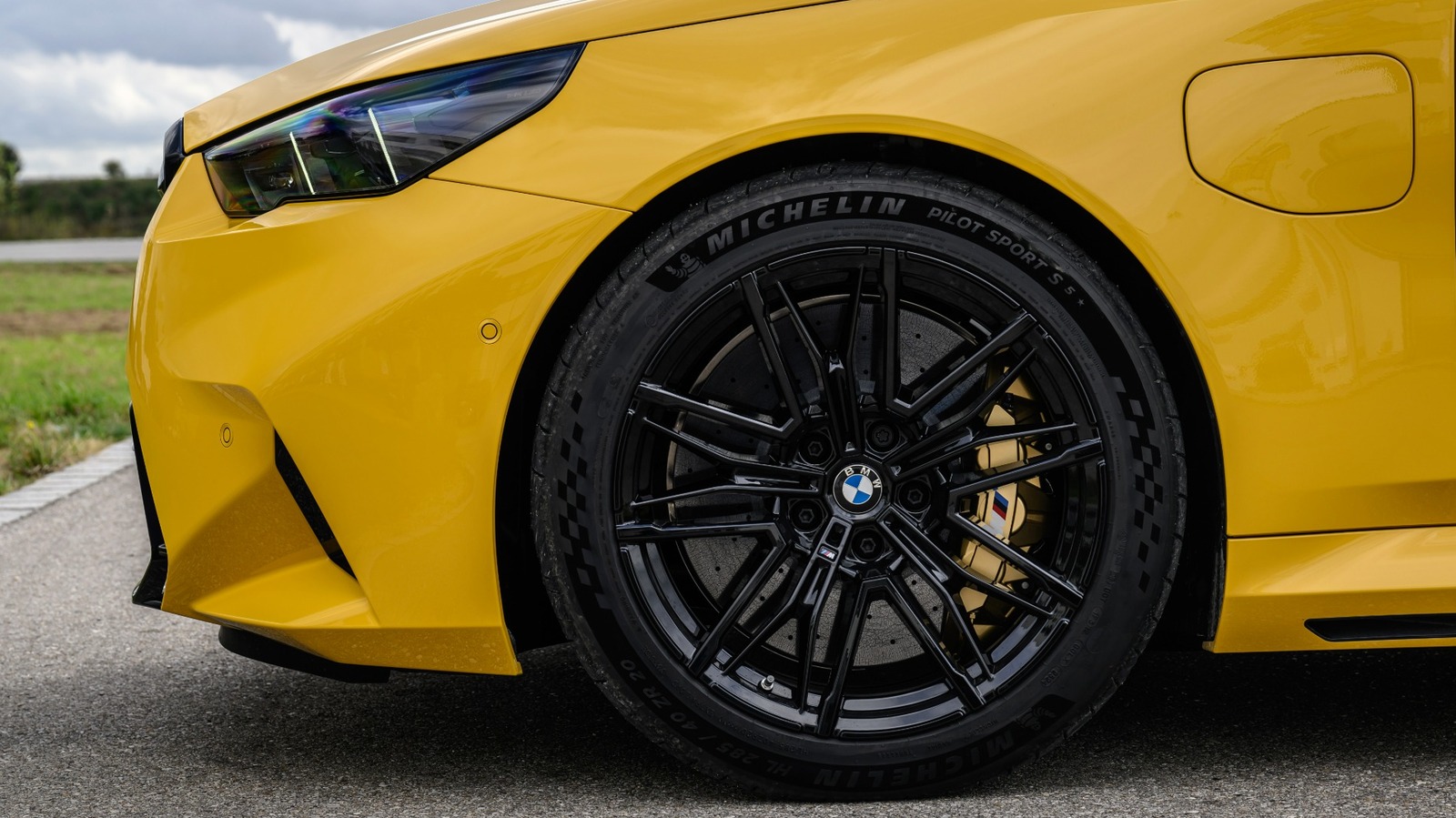
Both materials sit above conventional cast-iron discs in performance terms, but carbon-carbon and carbon-ceramic brakes are built for markedly different operating conditions and vehicle roles.
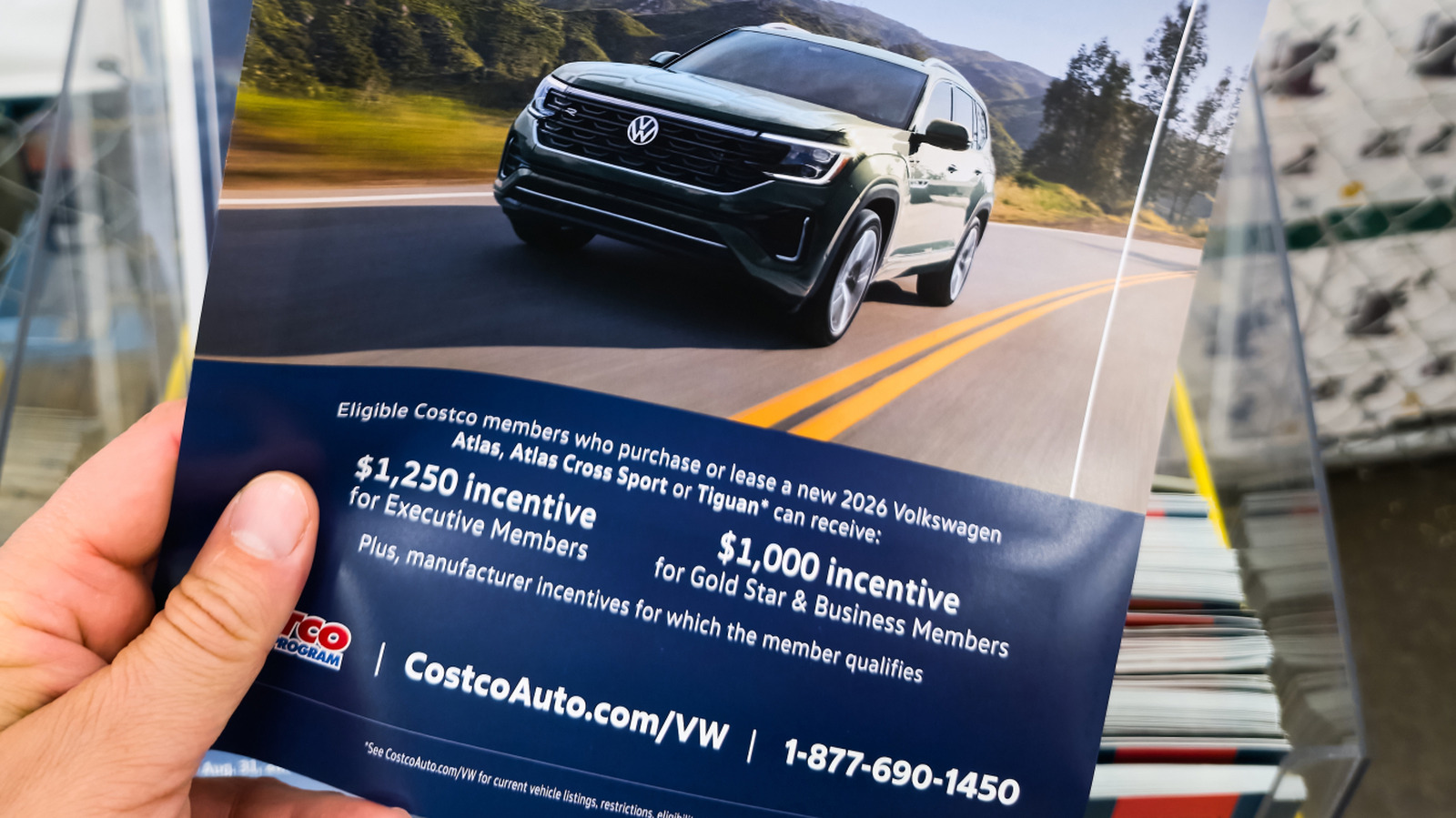
Costco’s latest member offers include incentives on selected Volkswagen SUVs, creating another retail route for buyers assessing the brand’s growing utility-vehicle range.
Hawaii’s lack of a dedicated highway patrol makes it an outlier in US traffic enforcement, but a layered policing structure still monitors roads and can stop drivers.
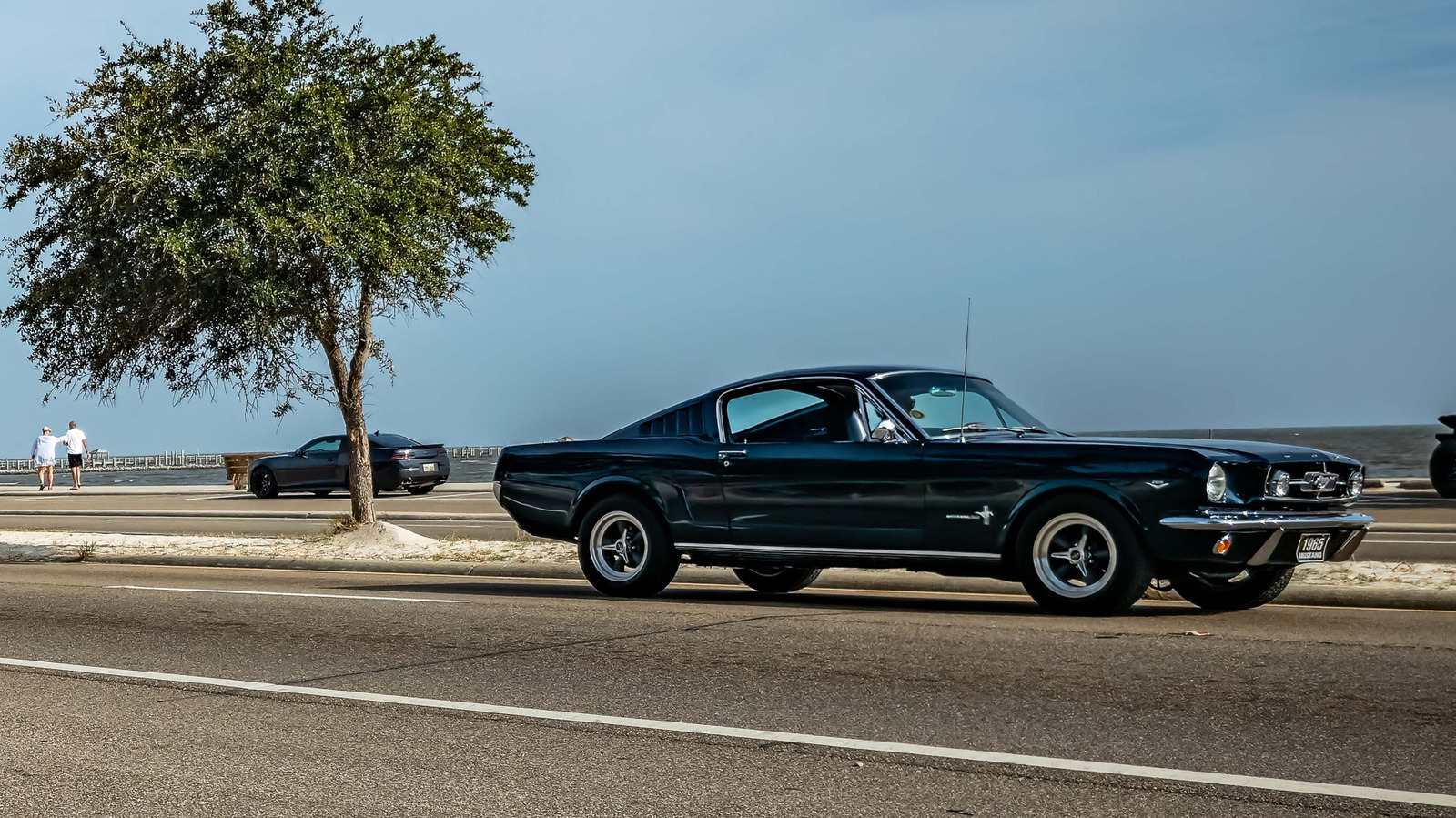
American manufacturers may define the popular image of the pony car, but V8-powered rivals from other countries have challenged that narrow view for decades.
A 1985 Ford Escort engine change completed in 42 seconds — followed by a 32-foot drive — remains the unofficial benchmark for one of the most improbable feats in workshop history.
A range comparison of the seven best-selling electric vehicles in the first half of 2026 underlines a persistent market reality: strong demand does not automatically eliminate concerns over driving distance.
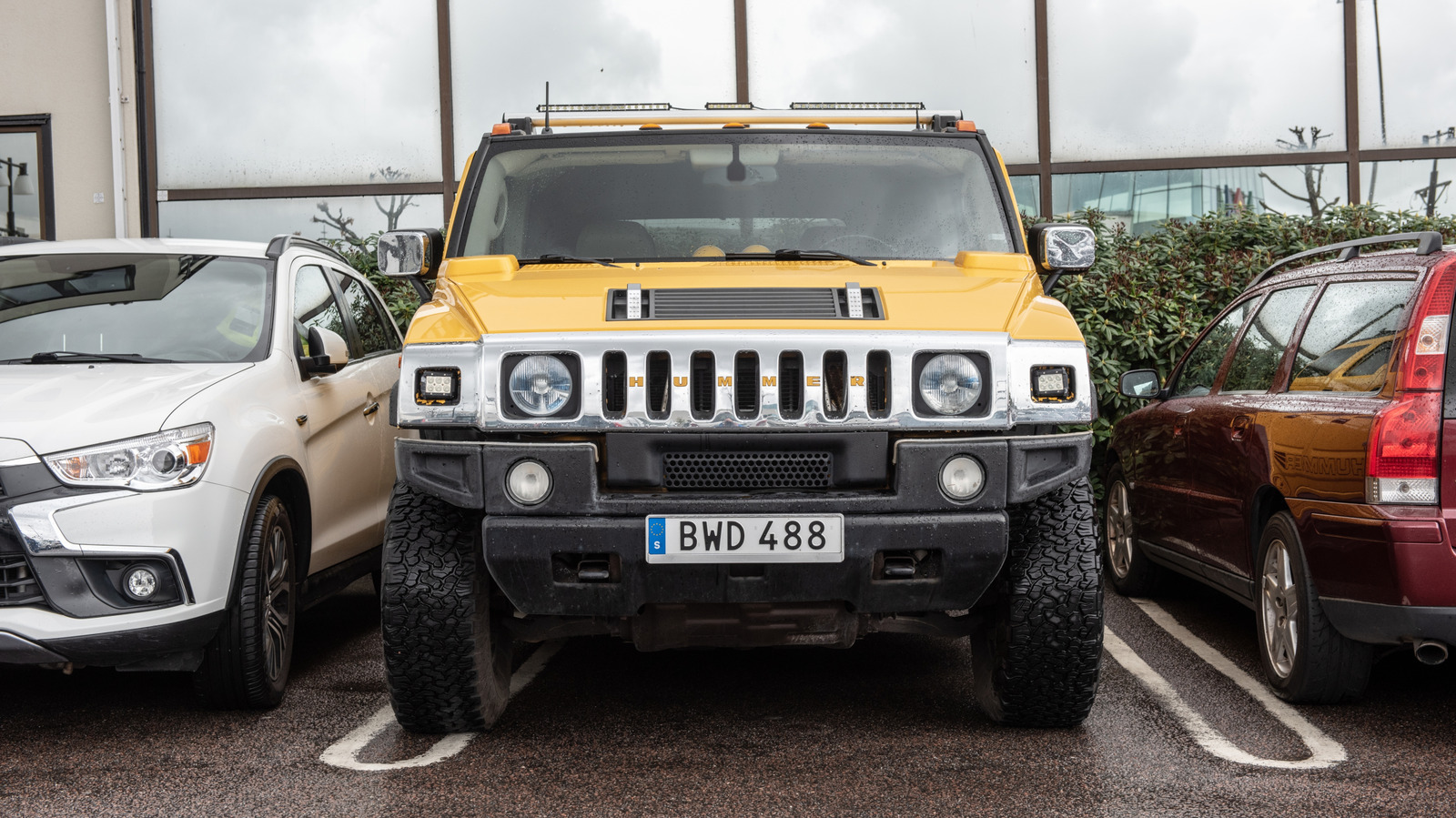
The Hummer H2 defined excess in the 2000s, but changing vehicle priorities and market tastes have produced newer SUVs that surpass its imposing footprint.
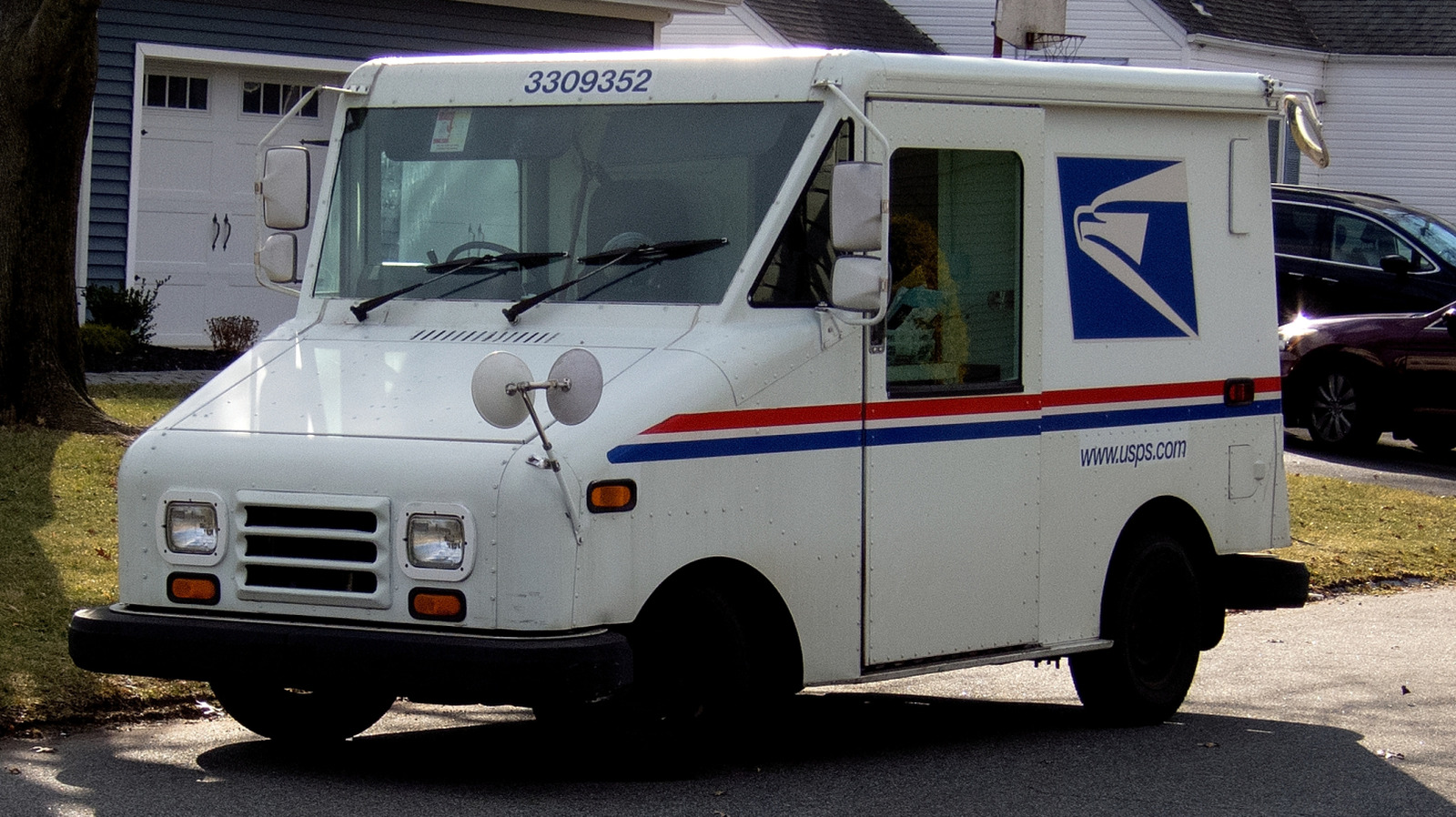
The U.S. Postal Service is fitting cameras to 100 mail trucks under a community-safety initiative, bringing renewed scrutiny to how connected fleet technology is deployed in public spaces.
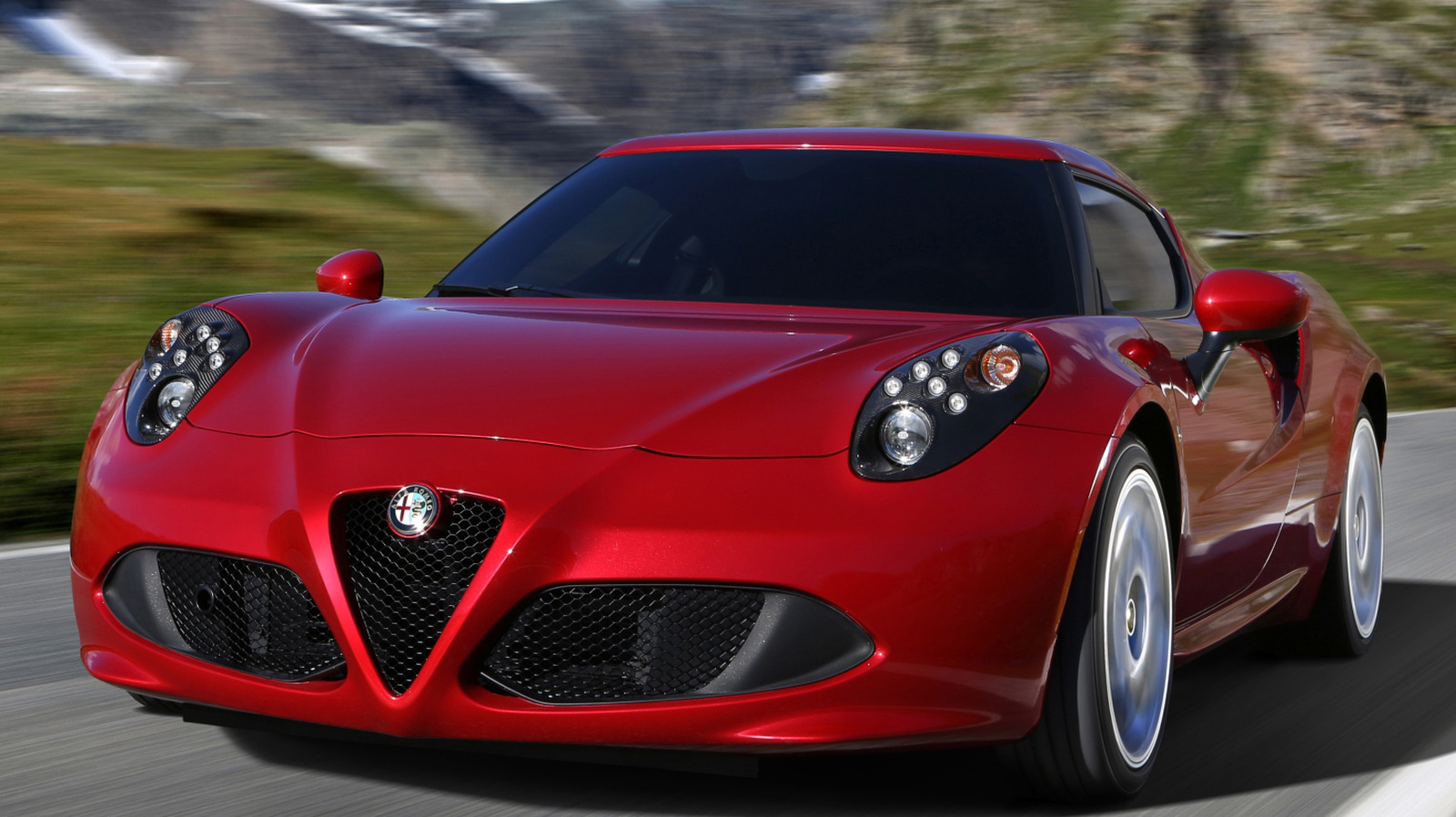
A Jalopnik roundup argues that advanced four-cylinder engineering has created sports cars with the performance character and technical ambition once associated with more exotic machinery.