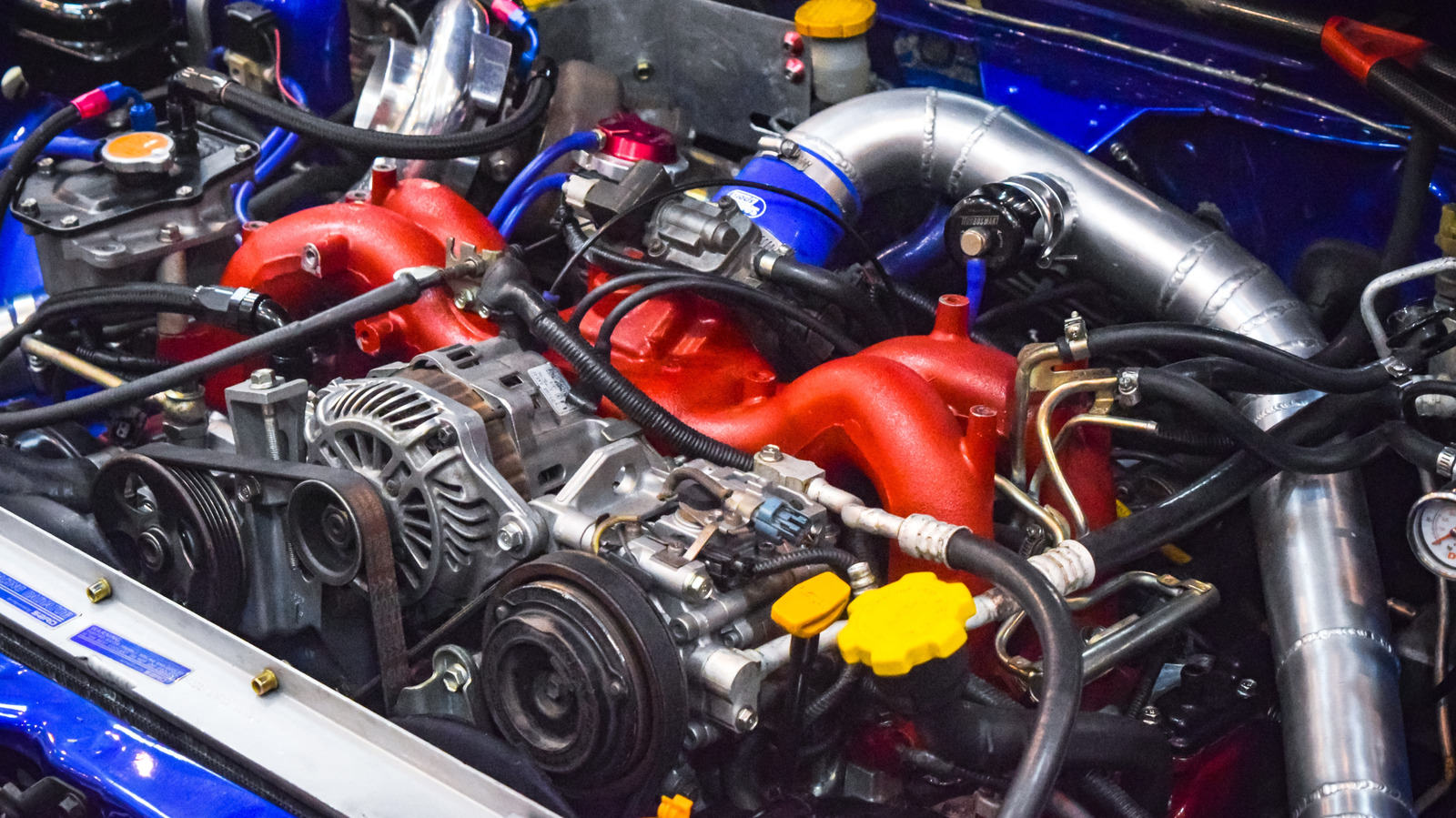
Subaru has built one of the automotive market’s most committed owner communities, but loyalty does not shield every powertrain from scrutiny. One of the company’s four-cylinder engines has developed a particularly poor reliability reputation because serious faults are described as a recurring consequence of its design.
According to an examination by Jalopnik, the problem is not simply the result of occasional neglected maintenance or isolated failures. The engine’s underlying construction can create conditions in which major mechanical issues become comparatively common.
Engine-specific risk matters in the used market
That distinction matters for buyers evaluating older Subarus. A vehicle badge and a reputation for all-weather usability are not substitutes for identifying the precise engine fitted to a car, reviewing its maintenance record and checking whether significant repairs have already been carried out.
For private buyers, a low purchase price can lose its appeal if it is followed by a major mechanical repair. Fleet operators face an additional concern: unplanned downtime can affect vehicle availability as well as operating costs.
The wider lesson is that brand enthusiasm should be matched by careful powertrain research. Subaru has produced many vehicles with devoted followings, but a strong community reputation does not remove the need to assess known weaknesses in a specific engine before purchase.