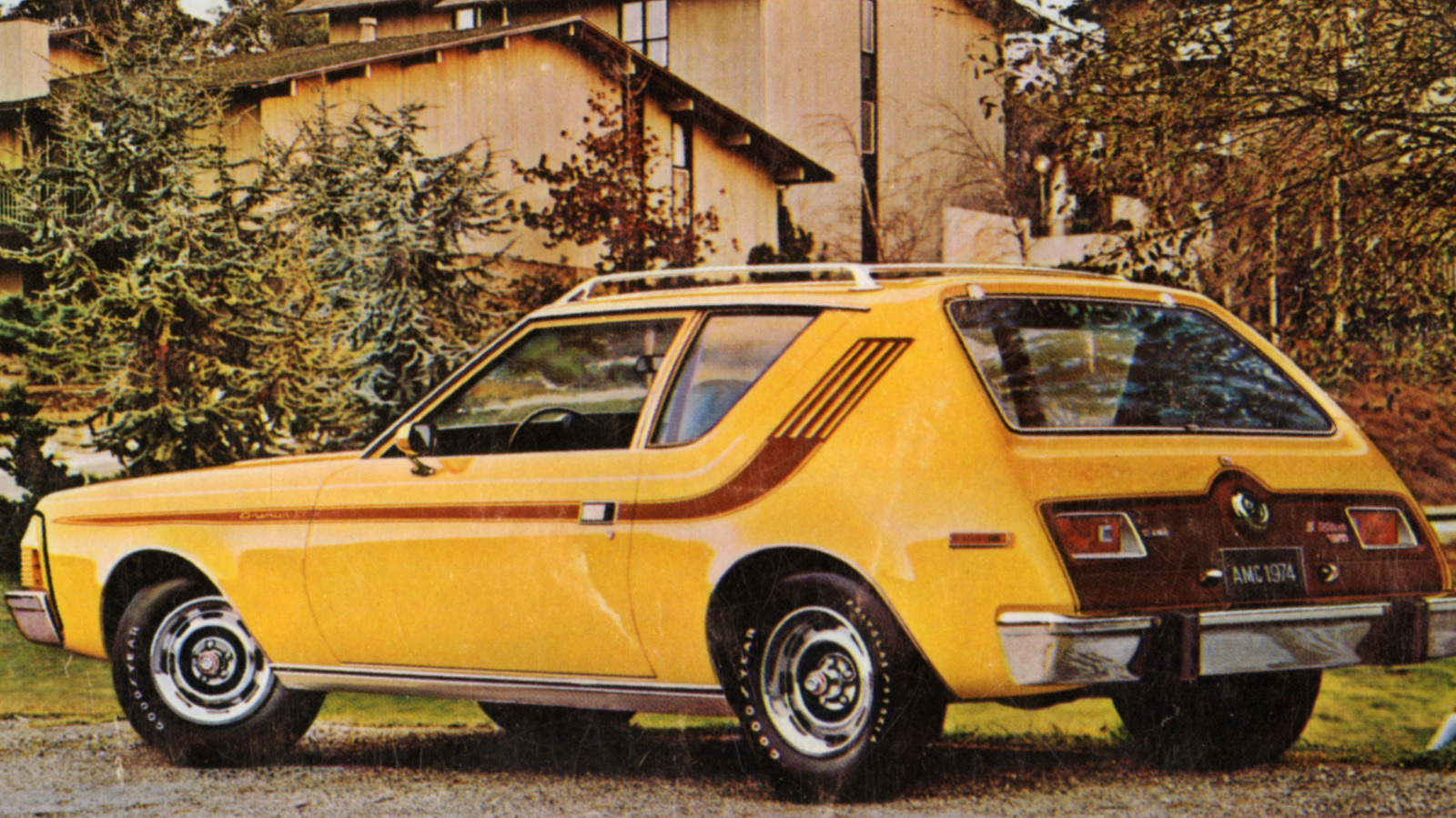
When limited 90-day warranties were widely accepted across the US car market, American Motors took a markedly different approach. Under Gerald Meyer, AMC introduced what became known as the bumper-to-bumper warranty, extending the manufacturer’s responsibility far beyond the narrow coverage buyers had come to expect.
The offer also addressed a practical consequence of a vehicle repair: lost mobility. AMC included a free loaner car for customers whose vehicles required warranty work, making after-sales service part of the company’s competitive sales proposition rather than an inconvenience left for owners to manage.
The combination was significant because it linked warranty coverage to the ownership experience. A broad promise carried greater value when customers could remain mobile while a dealer resolved an issue — a principle that would become central to customer-retention strategies across the industry.
AMC’s move arrived during a period when the company needed to distinguish itself against much larger rivals. As Jalopnik’s account of the programme recounts, Meyer’s strategy made customer assurance and service continuity tangible parts of the brand’s pitch.
For today’s manufacturers, especially EV brands and fleet-focused operators, the lesson remains relevant. Warranty terms, repair access and substitute mobility can influence a purchasing decision as directly as performance figures or transaction price.