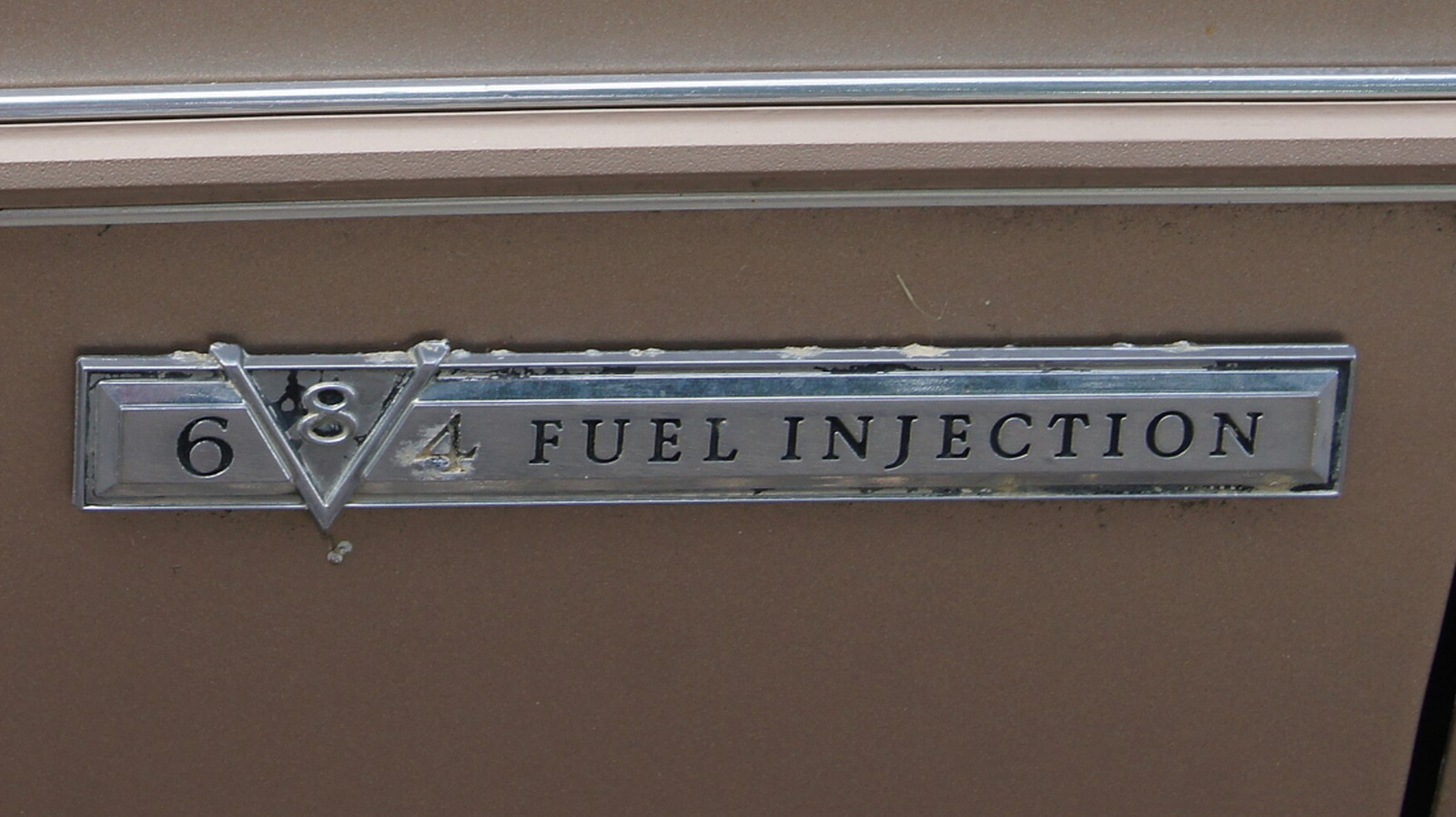
Cylinder deactivation is now an established route to improving combustion-engine efficiency. When full power is unnecessary, an engine can stop using some cylinders and reduce fuel consumption without abandoning the performance expected from a larger powerplant.
Cadillac attempted to apply that thinking much earlier with the V8-6-4. The engine’s underlying objective was forward-looking: match available power to real-world demand rather than keep every cylinder operating at all times.
But the technology faced a formidable obstacle in the 1970s. The gap between that ambition and the systems then available made the V8-6-4 a notorious example of an idea whose timing proved as significant as its engineering intent.
The episode remains relevant as manufacturers balance efficiency, emissions requirements and customer expectations. As Jalopnik’s examination of the Cadillac V8-6-4 argues, the engine’s troubled legacy should not obscure the validity of the goal — one that later became a familiar feature of modern powertrains.