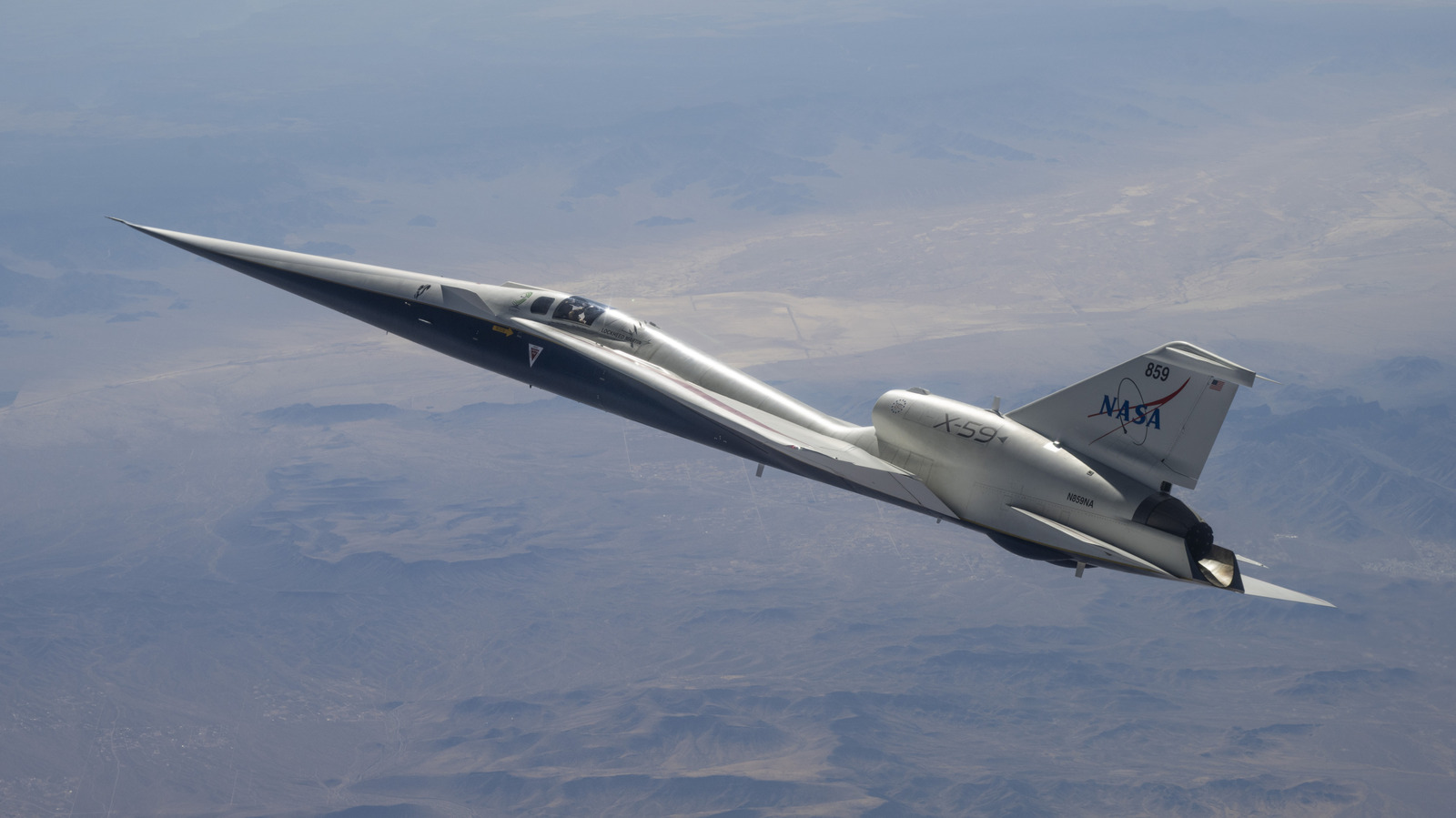
Commercial supersonic travel has been absent since Concorde left service, but China and the United States are each pursuing new efforts that could reopen a market long regarded as dormant. The question is no longer only whether passenger aircraft can again fly faster than sound, but which country could bring such service back first.
As Jalopnik reports, both nations enter the renewed push with distinct advantages. The emerging competition combines aerospace capability, industrial capacity and the ability to turn a technically demanding aircraft programme into a viable commercial operation.
The Concorde experience remains the central reference point. Its retirement marked the end of scheduled supersonic passenger service, leaving a gap that neither conventional long-haul aviation nor newer aircraft programmes have filled. Any successor would need to prove that higher speed can be matched with an acceptable operating and business case.
For transport markets, the contest also reaches beyond aviation prestige. A successful return of commercial supersonic flight would test how countries translate advanced engineering into premium mobility services, while forcing airlines, regulators and manufacturers to confront the practical limits of a technology absent from passenger operations for years.