A federal circuit judge has ruled that law enforcement cannot track a vehicle through license plate reader data for a month without first obtaining a warrant. The decision stems from a major methamphetamine investigation in Oklahoma and places fresh legal scrutiny on the expanding use of vehicle-location records.
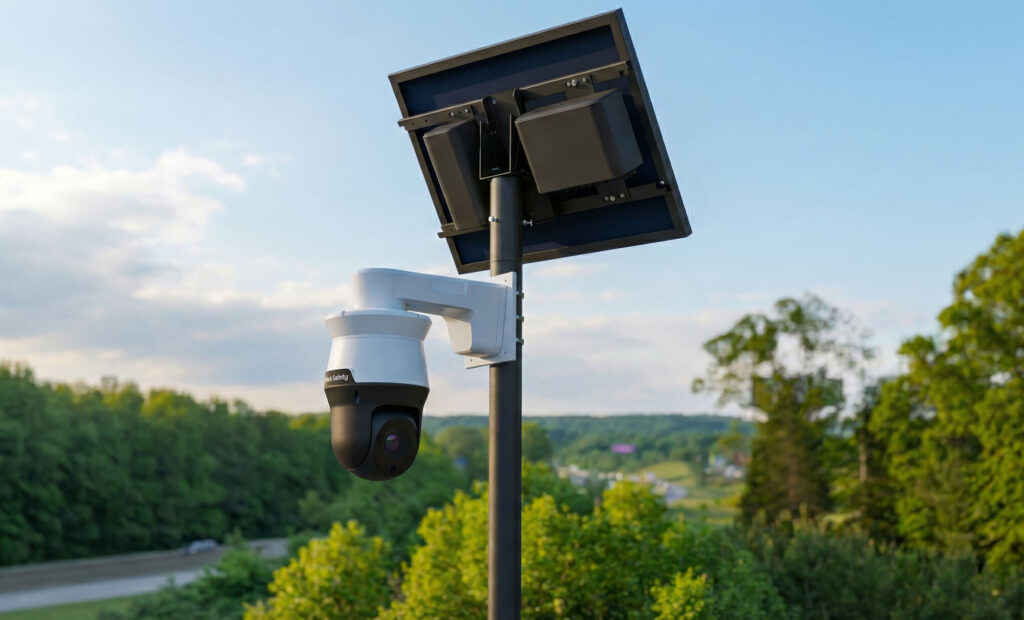
The case centres on data generated by automated license plate reader systems, which capture vehicles as they pass equipped cameras. While the ruling addresses a specific period of sustained monitoring, its implications could extend beyond the underlying criminal case as police agencies and courts assess the constitutional limits on access to such records.
For motorists, the decision underlines the distinction between an isolated observation of a vehicle and a detailed record capable of mapping movements over an extended period. The judge found that monthlong warrantless tracking crossed a constitutional line.
The outcome could affect how agencies handle historic plate-reader information in future investigations, particularly when data is used to reconstruct a vehicle's travel patterns. Details of the ruling were reported by Carscoops.