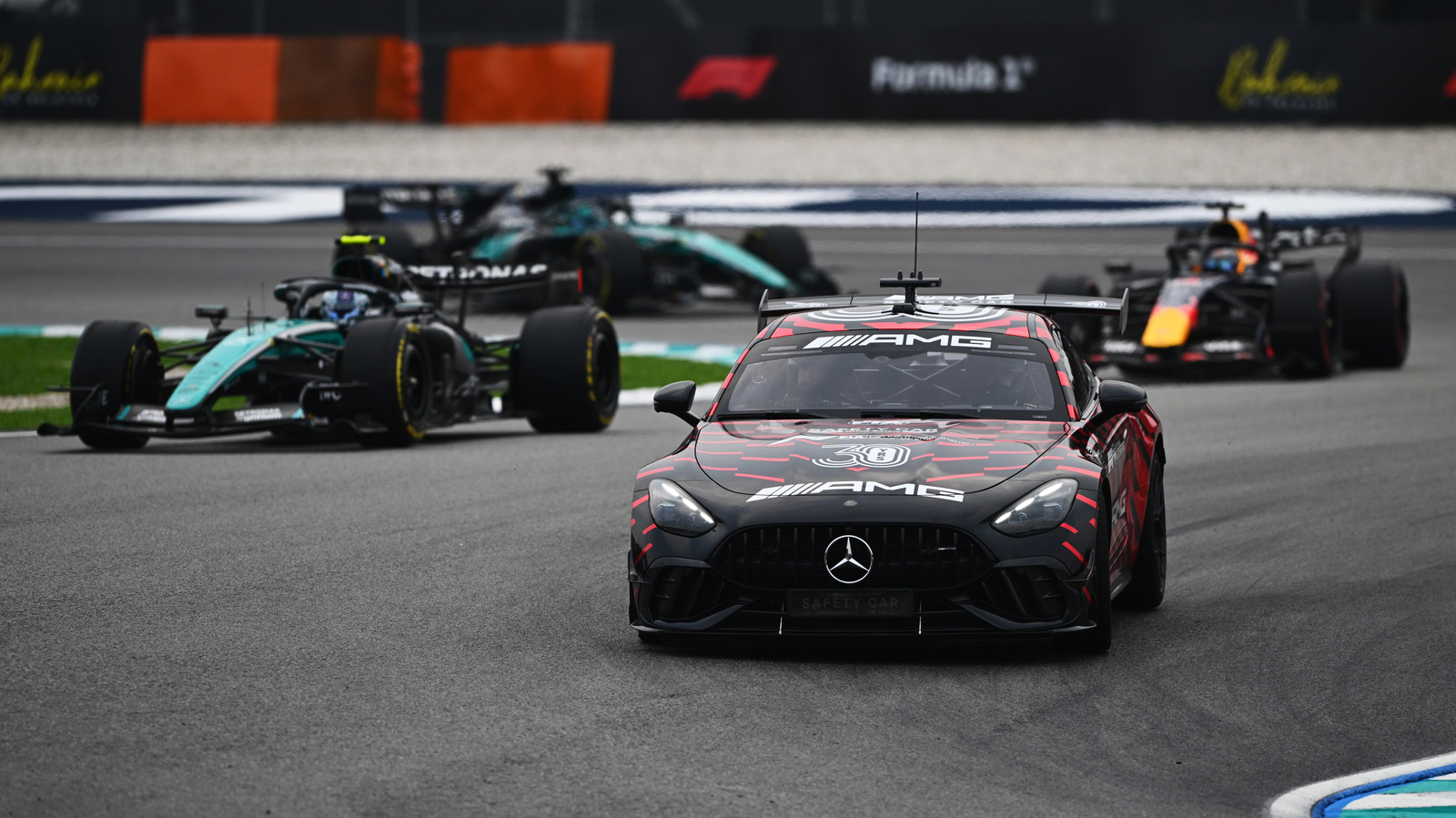
A Formula 1 race in Malaysia was reportedly rescued by a software update completed in less than an hour after a wider technical issue left multiple cars unable to continue normally. The episode, reported by Jalopnik, stands apart from the isolated mechanical retirements more commonly associated with racing.
When several cars are affected at once, the cause can extend beyond a conventional component failure. Modern race machinery depends on tightly integrated electronic systems, control software and data links, meaning a fault can potentially affect more than one vehicle or operational process.
Software becomes part of race recovery
The reported fix illustrates how software capability has become central to motorsport reliability. Teams and organisers increasingly need the ability to identify a fault, validate a correction and deploy it quickly without introducing a further performance or safety problem.
That pressure is also familiar across the wider automotive industry. As road cars gain more software-defined functions, manufacturers face similar expectations to diagnose faults remotely and issue dependable updates quickly. Racing provides an unusually demanding test case: any recovery must work under intense time constraints and public scrutiny.
The Malaysia incident reinforces a basic reality of modern vehicle engineering — mechanical durability remains essential, but digital resilience can now determine whether a vehicle reaches the finish or returns to service.