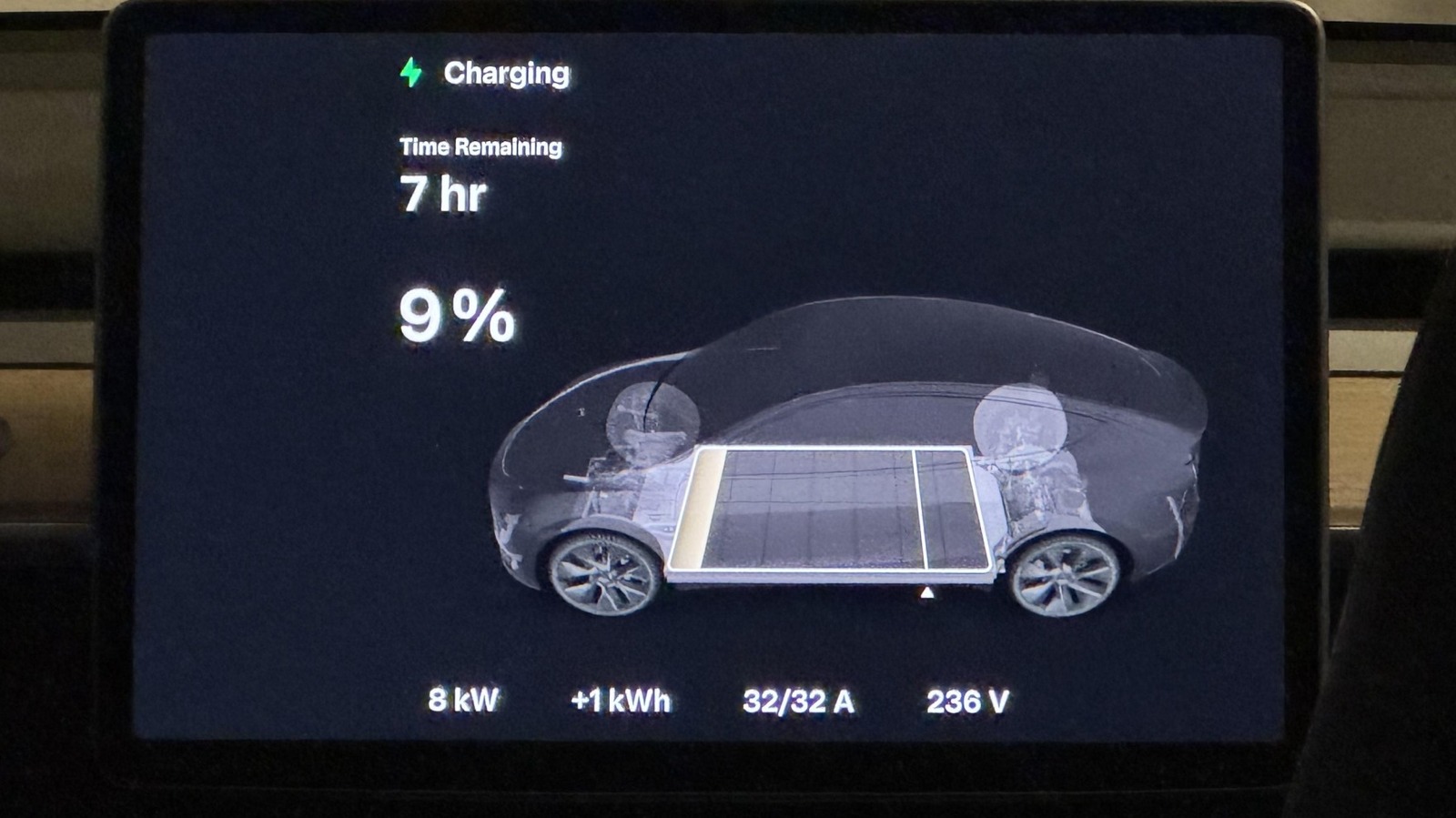
Running an EV battery down to its final indicated charge is not directly comparable to driving a combustion-engined car until its fuel tank is empty. As an examination by Jalopnik outlines, the final stretch of battery capacity can bring unusual vehicle behaviour alongside increasingly urgent range warnings.
Drivers nearing 0% may encounter symptoms that feel counterintuitive, particularly if they expect the car simply to continue operating normally until it can no longer move. The effects described range from quirks in vehicle operation to protective measures designed to prevent further battery depletion.
Protection takes priority near the limit
Safety cutoffs are a central part of the near-empty experience. Rather than treating the displayed 0% state as equivalent to an empty fuel tank, an EV can manage its remaining energy and restrict operation as it approaches the point at which it must stop.
For EV owners and fleet operators, the practical lesson is to regard the final percentage points as a contingency zone rather than usable everyday range. A timely charging stop reduces the risk of encountering unexpected limitations and avoids relying on the car's final protective reserves.