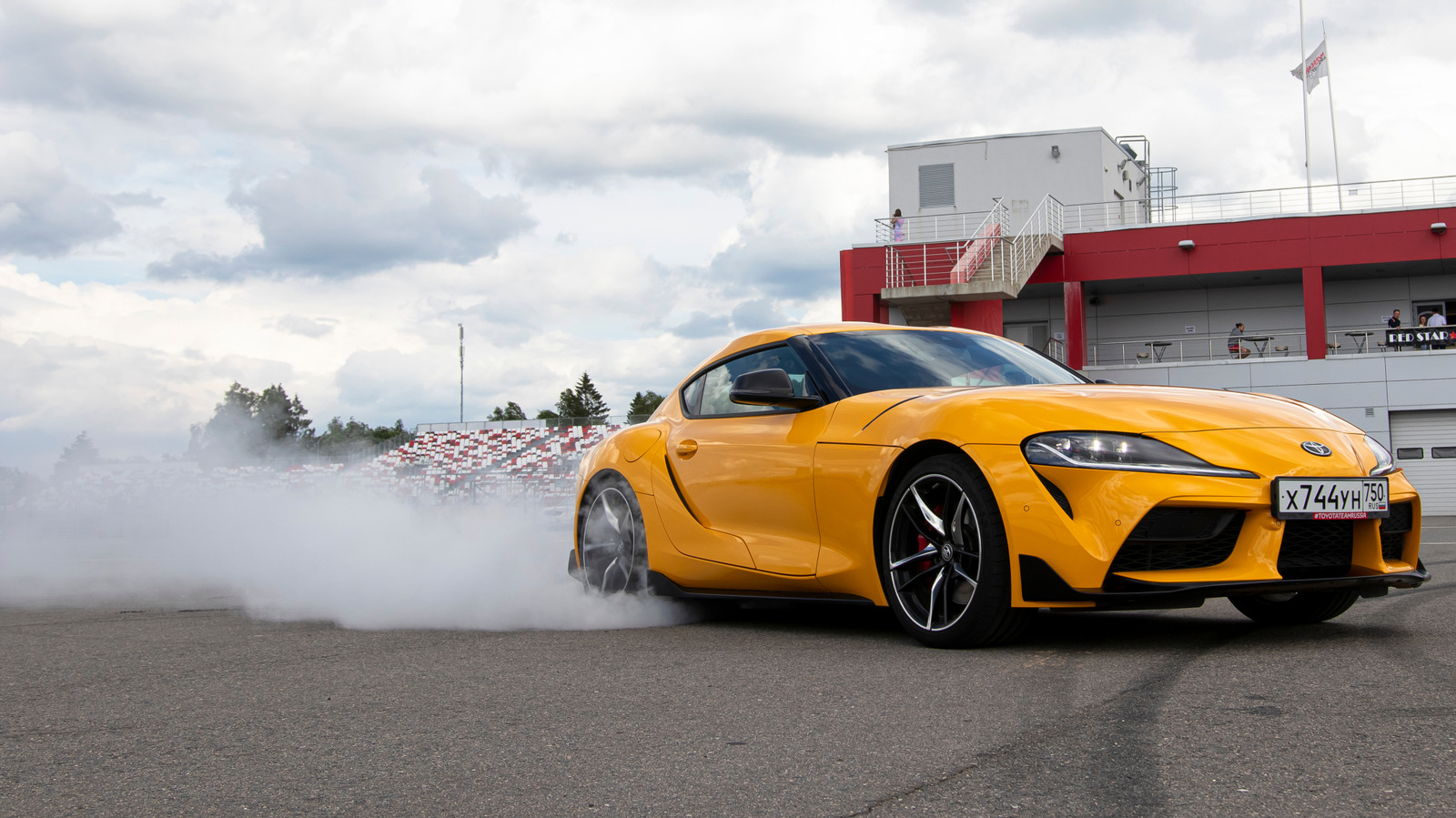
The Toyota Supra's performance history stretches from an early role as a Celica variant to a fifth-generation model with BMW-sourced foundations. Across that span, the car's standing-start acceleration has steadily moved forward, reflecting a broader evolution in the Supra's engineering and positioning.
A generation-by-generation ranking by Jalopnik examines that development through 0–60 mph performance. The comparison places each Supra era in context through a measure that remains one of the clearest shorthand indicators of straight-line acceleration.
Acceleration tells part of the Supra story
A 0–60 mph figure captures how quickly a vehicle reaches road speed from a standstill, but it does not offer a complete assessment of how a sports car performs. Chassis balance, braking, steering response and power delivery can all shape the driving experience beyond a single acceleration run. Still, the metric provides a useful way to trace the pace of technical change between generations.
For the Supra, the contrast between its Celica-based beginnings and the BMW-sourced fifth generation underlines the scale of that change. The ranking shows a model line that has gained acceleration capability over time while moving through markedly different automotive eras.
For enthusiasts and used-car buyers, the comparison offers a concise guide to where each generation sits in the Supra timeline. For the wider market, it also highlights how a long-running nameplate can retain its identity while its mechanical basis and performance expectations change substantially.