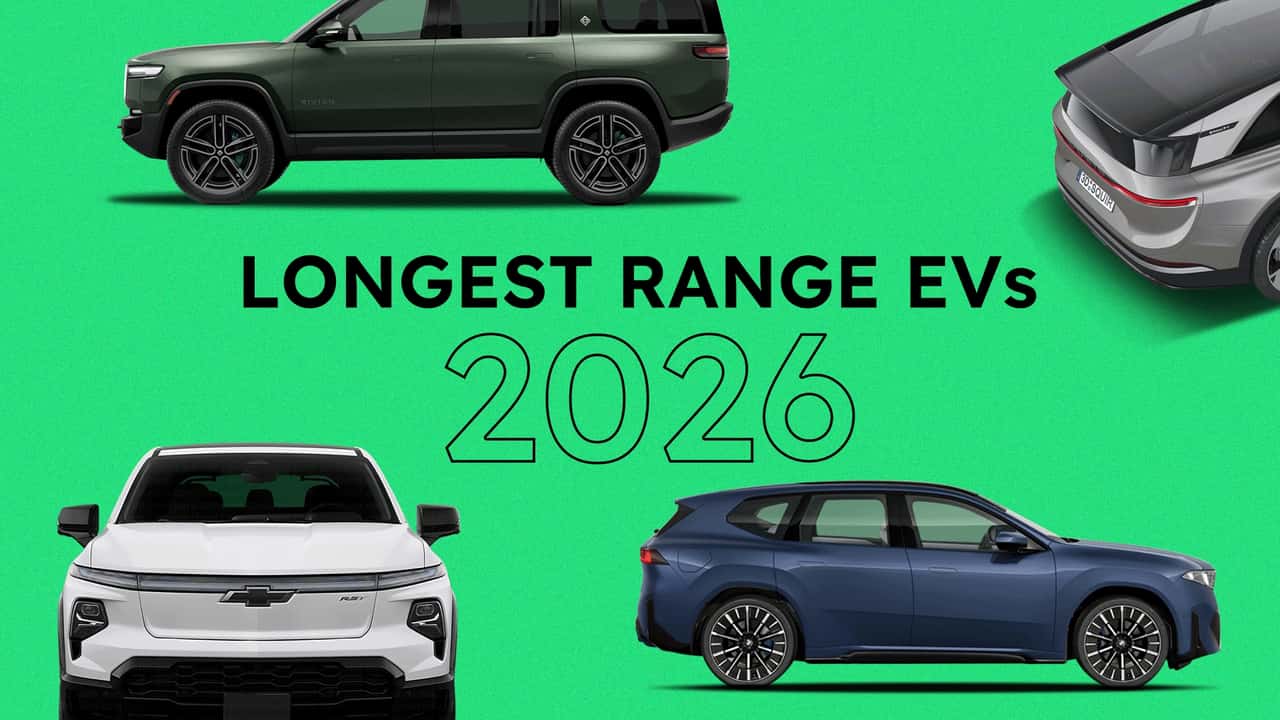
Long driving range is no longer confined to a narrow group of flagship electric vehicles. The latest tally identifies 47 EVs with a stated range of at least 300 miles, five more than in the previous major update, according to an InsideEVs range review.
That increase matters for buyers weighing an EV against a combustion-engine car for regular motorway travel, regional business use or fleet deployment. A 300-mile threshold does not settle every ownership question, but it gives shoppers a larger field of vehicles to consider when range is a central requirement.
A broader choice set for long-distance EV buyers
The growing number of qualifying models suggests that long-range capability is spreading beyond a small number of specialised offerings. For manufacturers, range remains a critical competitive measure in a European market where charging access, journey patterns and operating costs vary widely between drivers and regions.
Buyers should treat an official range figure as one part of a broader assessment rather than a guarantee of identical results in every journey. Route speed, weather, payload, driving style and charging availability can all shape the practical experience of long-distance electric motoring.
For fleet managers, the expanded 300-mile field creates more scope to match vehicles to specific duties. The most suitable choice will depend on daily mileage, depot charging, public-charging needs and the time drivers can spend replenishing the battery between assignments.
The headline change for 2026 is straightforward: the long-range EV market is becoming less exclusive. With 47 electric cars now above the 300-mile mark, customers have a wider starting point for comparing vehicles built around lower charging frequency and greater flexibility on longer trips.