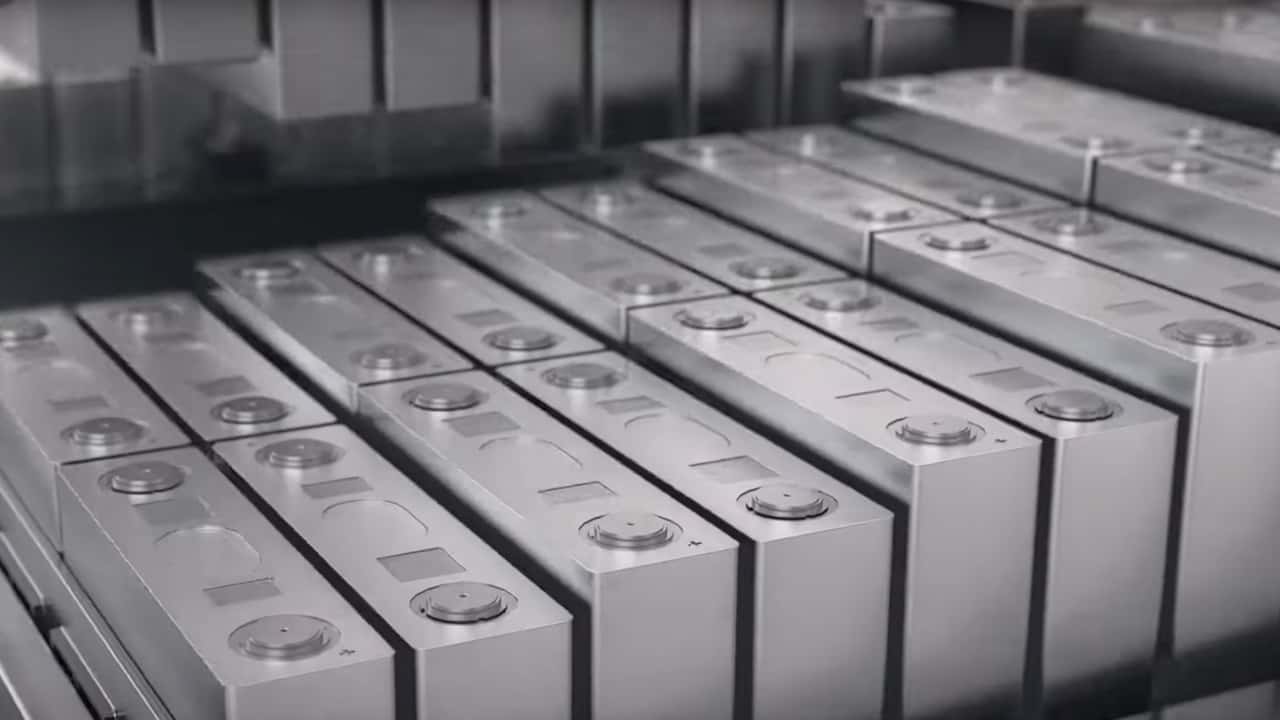
China has set its sights on large-scale production of solid-state batteries by 2030, placing the emerging technology at the centre of its longer-term electric-vehicle ambitions. But CATL, the world’s biggest EV battery maker, has highlighted a constraint that could prove decisive: manufacturing cells in large quantities does not automatically make them affordable.
As reported by InsideEVs, CATL’s position underscores the gap between a national industrial target and a battery technology ready for broad commercial deployment. A production deadline can focus investment and development, yet it cannot by itself resolve the economic pressures involved in scaling an advanced battery chemistry.
Scale is not the same as competitiveness
For EV buyers, fleet operators and vehicle manufacturers, the key issue is likely to be the price at which solid-state batteries can be supplied at meaningful volume. A technology can reach factory production while remaining too expensive for widespread use across mainstream electric cars. CATL’s warning puts cost, rather than simply output, at the heart of the discussion.
The 2030 goal nevertheless signals China’s intent to maintain momentum in battery development. Whether that ambition translates into mass-market EV applications will depend on manufacturers’ ability to turn solid-state cells into a commercially competitive product — a challenge CATL suggests remains unresolved.