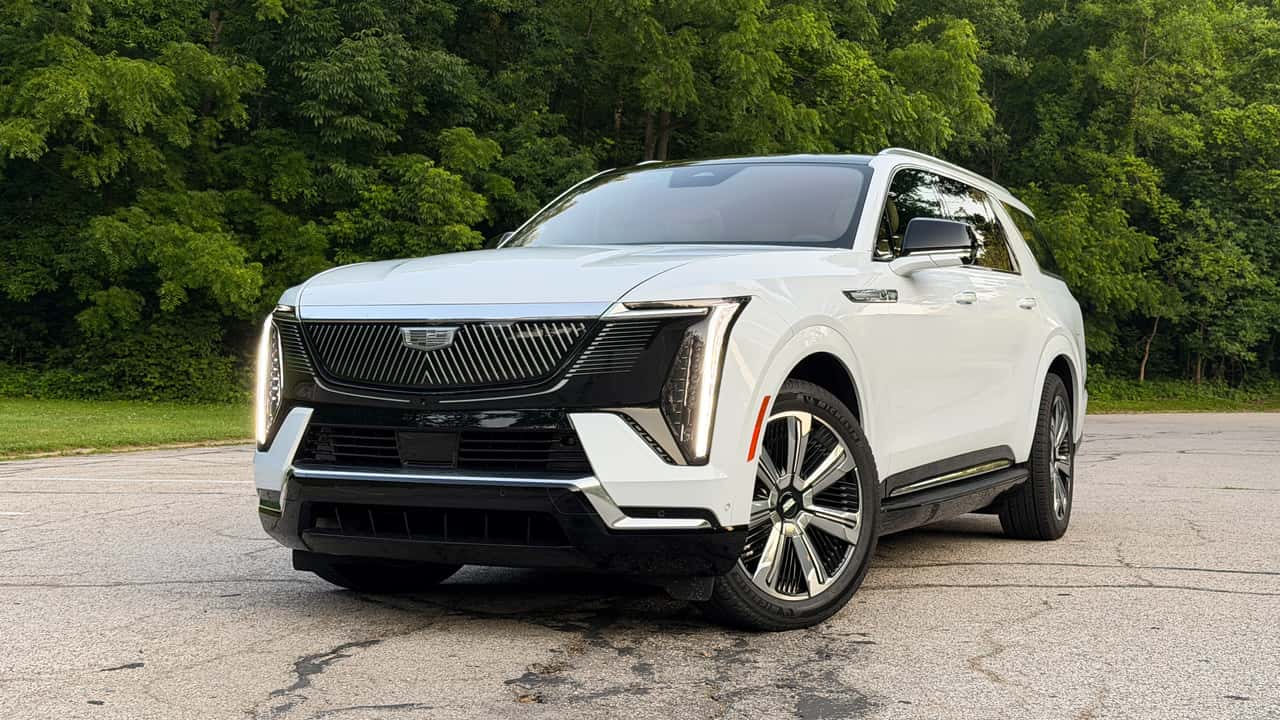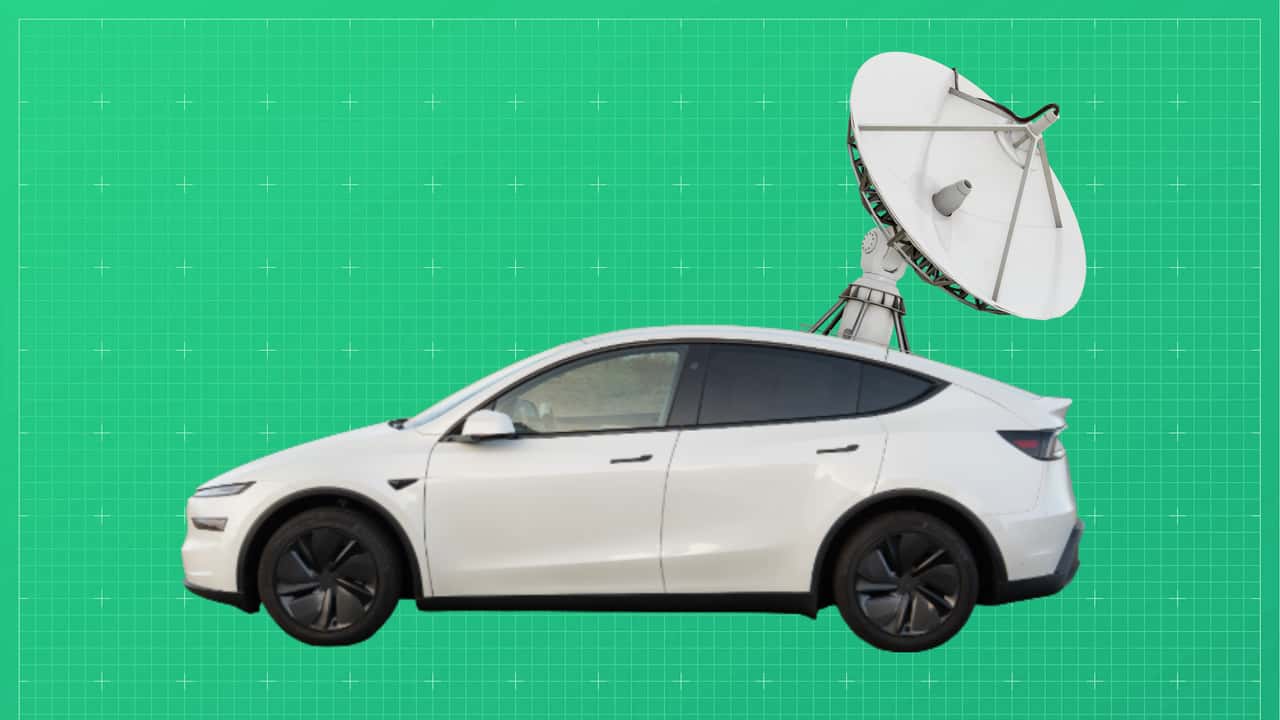
Connected vehicles are transmitting information to third-party advertising and analytics businesses more widely than many owners may expect, according to a study covering 21 vehicles. The findings add fresh scrutiny to the data practices behind increasingly software-defined cars.
As reported by InsideEVs, the review identified widespread communications between the vehicles examined and outside companies involved in advertising and analytics. The research does not mean every connected car handles information in the same way, but it points to a broader issue for a market built around permanent internet connections.
For drivers, connectivity can support navigation, remote functions, charging services, diagnostics and safety-related features. Yet the same infrastructure can also create data flows that are difficult to see from the dashboard or a companion app. Owners may have limited practical visibility over which external firms receive information and under what settings or consent mechanisms.
The issue carries particular weight for EV owners and fleet operators, whose vehicles often rely on connected platforms for charging management, route planning and remote monitoring. Carmakers and technology suppliers face growing pressure to make data-sharing practices clearer, provide meaningful controls and explain how connected services operate after a vehicle leaves the showroom.