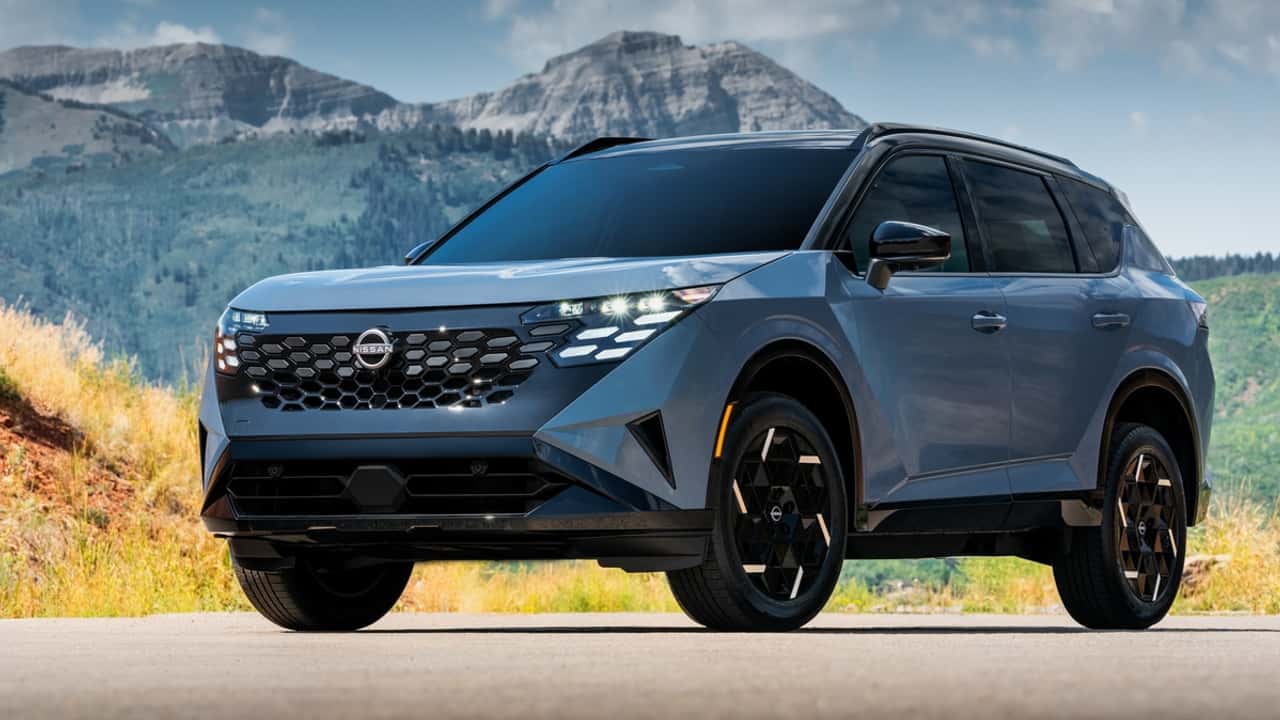
Nissan wants hybrid vehicles to become its primary powertrain offering by 2030, aligning its product strategy with growing consumer interest in electrified vehicles that do not rely solely on public charging.
According to InsideEVs, the Japanese manufacturer intends to expand its hybrid range and also plans to introduce extended-range electric vehicle, or EREV, models.
Hybrids combine an internal-combustion engine with electric propulsion, while EREVs use an engine chiefly to support the electric driving system. Both approaches can offer an alternative for buyers and fleet operators weighing electrification against charging access and long-distance flexibility.
The shift would place hybrids at the centre of Nissan's powertrain plans rather than treating them as a transitional niche. The company’s planned EREV additions also indicate that it sees room for several forms of electrification as the market develops.